
Solar Panel Calculator
Calculate your solar energy requirements with precision.
How Solar Energy Works
Enter Your Details
Your Solar System Requirements
Required System Size
0 kW
Solar Panels Required
0 panels
Daily Energy Generation
0 kWh
Monthly Energy Generation
0 kWh
Annual Energy Generation
0 kWh
Energy Generation Overview
Daily
Monthly
Annual
The Ultimate Guide to Solar Energy: Calculations, Benefits, and Savings
Quick Navigation
Introduction – How It Works – Factors Affecting Output – Financial ROI – Environmental Impact – Installation Guide

Introduction to Solar Power
Solar power is the conversion of energy from sunlight into electricity, either directly using photovoltaics (PV), indirectly using concentrated solar power, or a combination. As the world shifts towards renewable energy sources to combat climate change, solar energy has emerged as a leading solution for both residential and commercial power needs.
Using our Solar Panel Calculator is the first step in understanding your potential savings. By inputting your monthly electricity consumption and local sunlight hours, you can accurately estimate the size of the system you need, the number of panels required, and the total energy generation expected annually.
How Solar Panel Calculators Work
A solar panel calculator uses specific variables to determine the optimal system size for your home. The core formula involves dividing your daily energy consumption by the average peak sunlight hours in your location. This gives you the system size in kilowatts (kW).
Key Formulas:
- System Size (kW) = Daily Energy (kWh) ÷ Sunlight Hours.
- Number of Panels = (System Size × 1000) ÷ Panel Wattage.
- Annual Output = System Size × Sunlight Hours × Efficiency × 365.
Our calculator above factors in system efficiency (derating factor), which typically ranges between 75% to 85% to account for real-world losses like dust, wiring, and inverter efficiency.
Factors Affecting Solar Panel Output
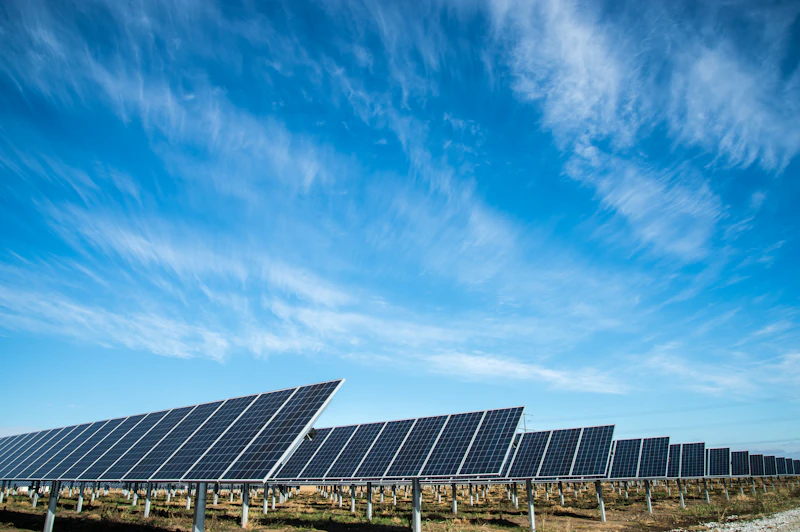
Several factors influence how much electricity your solar panels can generate:
- Geographic Location: Areas closer to the equator receive more direct sunlight hours. For instance, India and Africa have higher solar potential than Northern Europe.
- Panel Orientation: In the Northern Hemisphere, south-facing panels perform best. The tilt angle should ideally match your latitude.
- Shading: Even partial shading from trees or chimneys can significantly reduce output.
- Temperature: Solar panels actually perform better in cooler temperatures. Excessive heat can reduce efficiency slightly.
- Panel Quality: Monocrystalline panels are generally more efficient than polycrystalline ones.
Financial Benefits and Return on Investment (ROI)
Investing in solar is not just an environmental choice; it is a financial one. Most homeowners see a return on investment within 5 to 8 years. After the payback period, the electricity generated is essentially free.
Ways to Save:
- Net Metering: Sell excess power back to the grid.
- Government Subsidies: Many countries offer tax credits or rebates (e.g., up to 30% tax credit in the USA, subsidies in India).
- Increased Property Value: Homes with solar installations often sell for more.
Environmental Impact: Why Green Score Matters
Solar energy produces no greenhouse gases during operation. A typical residential solar panel system can eliminate three to four tons of carbon emissions each year. That is equivalent to planting over 100 trees annually.
By using this calculator, you are taking the first step toward reducing your carbon footprint. The “Green Score” on our tool represents the estimated efficiency and environmental alignment of your calculated system configuration.

Step-by-Step Installation Guide
1. Site Assessment: Use our calculator to get your estimates. Then, contact a professional to assess your roof structure.
2. System Design: Engineers will design the layout based on your roof area and the panel count calculated.
3. Permits: Secure necessary permissions from local electricity authorities.
4. Installation: Typically takes 1-3 days for residential systems.
5. Inspection and Activation: The utility company inspects the system before it goes live.
Conclusion
Solar energy is a smart, sustainable investment. Whether you are in a sun-rich region like India or a temperate climate in Europe, the technology has advanced enough to make solar viable almost everywhere. Use our free calculator above in your native language to start your journey towards energy independence today.
Frequently Asked Questions
Our calculator provides highly accurate estimates based on standard engineering formulas. However, actual output can vary due to local weather patterns, shading, and equipment quality. It serves as an excellent starting point for planning.
A safe estimate is 80%. High-quality systems with micro-inverters might reach 85%, while older or dusty systems might drop to 75%. We default to 80% to provide realistic expectations.
Yes, solar panels do work on cloudy days, but their output is reduced. They rely on sunlight (solar irradiance), not just direct heat, so they can still generate 10-25% of their typical power output on overcast days.
Most solar panels come with a 25-year performance warranty and can last 30 years or more. They typically degrade at a rate of about 0.5% per year, meaning after 25 years, they still operate at roughly 85-90% efficiency.